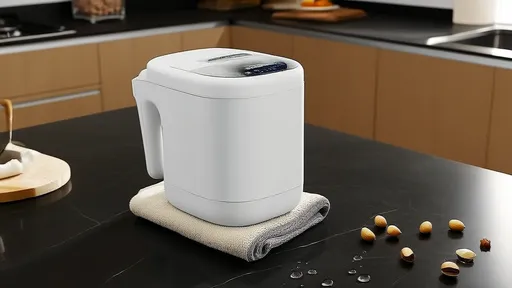
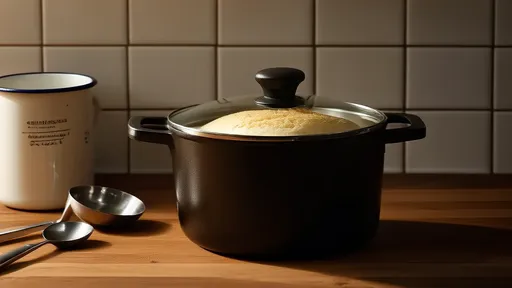
The art of baking a cake in a rice cooker has gained popularity in recent years, especially among those who don’t have access to a traditional oven. One of the most debated techniques in this method is the timing—specifically, the moment the rice cooker’s button pops up and whether to let the cake sit for an additional 20 minutes. This seemingly simple step can make or break the texture and consistency of the final product.
When the rice cooker’s button jumps up, it signals that the cooking cycle has completed. However, unlike an oven, which provides consistent heat, a rice cooker relies on moisture and steam to bake the cake. Removing the cake immediately after the button pops can result in a dense, undercooked center. The residual heat trapped inside the cooker continues to gently cook the cake during those crucial extra minutes, ensuring even doneness.
The science behind this technique lies in heat retention. Rice cookers are designed to keep warmth inside for extended periods, which is why they’re perfect for steaming and slow-cooking foods. When the button pops, the heating element turns off, but the inner pot remains hot enough to continue baking the cake without drying it out. This "resting phase" allows the center to set properly while preventing the edges from becoming too firm or burnt.
Many home bakers skip this step, eager to see their creation, only to end up with a sunken or gummy cake. The 20-minute wait might test patience, but it’s a small price to pay for a perfectly fluffy and moist cake. Some even argue that this resting period is more critical than the actual cooking time, as it ensures the cake’s structure stabilizes before exposure to cooler air.
Another factor to consider is the type of rice cooker used. Older models with basic functions tend to have less precise temperature control, making the 20-minute rest even more essential. Newer multi-functional cookers with cake settings might require less resting time, but the principle remains the same—allowing the cake to settle prevents collapsing and improves texture.
Experimentation is key when adapting traditional baking methods to unconventional appliances. Some bakers find that 15 minutes is sufficient, while others insist on a full 20. The best approach is to test and adjust based on the specific rice cooker and recipe. One thing is certain: ignoring this step often leads to disappointment, while embracing it can result in a surprisingly professional-quality cake.
The rice cooker cake phenomenon highlights how creativity and understanding of kitchen tools can lead to delicious innovations. Whether you’re a beginner or an experienced baker, mastering the post-button pop wait can elevate your rice cooker cakes from good to exceptional. It’s a testament to the idea that sometimes, the secret to great baking isn’t just in the cooking—it’s in the waiting.
By /Jul 31, 2025

By /Jul 31, 2025
By /Jul 31, 2025

By /Jul 31, 2025
By /Jul 31, 2025
By /Jul 31, 2025

By /Jul 31, 2025
By /Jul 31, 2025

By /Jul 31, 2025

By /Jul 31, 2025

By /Jul 31, 2025
By /Jul 31, 2025

By /Jul 31, 2025

By /Jul 31, 2025

By /Jul 31, 2025
By /Jul 31, 2025

By /Jul 31, 2025

By /Jul 31, 2025
By /Jul 31, 2025

By /Jul 31, 2025
