The topic of overnight vegetables and their potential health risks has been a subject of ongoing debate among nutritionists and food safety experts. One particular concern revolves around the formation of nitrites in leafy greens when stored for extended periods after cooking. As consumers become increasingly health-conscious, understanding the science behind nitrite accumulation in reheated vegetables is crucial for making informed dietary choices.
Leafy greens such as spinach, lettuce, and bok choy naturally contain nitrates, which are generally harmless compounds found in many vegetables. However, the transformation of these nitrates into potentially harmful nitrites occurs through bacterial action during storage. This biochemical process accelerates when cooked vegetables are left at room temperature, creating an environment conducive to bacterial growth. The conversion rate varies significantly among different types of leafy vegetables, with some varieties showing remarkably higher nitrite accumulation than others.
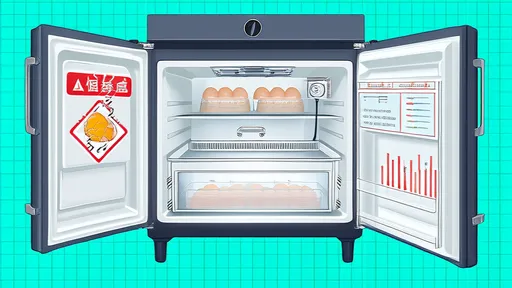
Research indicates that storage conditions play a pivotal role in nitrite formation. Vegetables stored in airtight containers in the refrigerator demonstrate slower nitrite conversion compared to those left uncovered at room temperature. The temperature danger zone between 40°F and 140°F (4°C to 60°C) creates ideal conditions for bacteria to thrive and convert nitrates to nitrites. This explains why proper refrigeration immediately after cooking can substantially reduce the risk of excessive nitrite buildup in leftover vegetables.
The time factor significantly influences nitrite levels in stored vegetables. Studies have shown that nitrite concentrations tend to peak around 12-24 hours after cooking before gradually declining. This pattern suggests that the bacterial activity responsible for nitrate conversion is most active during the initial storage period. Interestingly, some vegetables exhibit a secondary nitrite surge after 48 hours, highlighting the complex nature of these biochemical transformations in plant tissues.
Cooking methods also impact the subsequent nitrite formation in stored vegetables. Blanching or steaming vegetables before storage appears to result in lower nitrite accumulation compared to boiling. The water-soluble nature of nitrates means that boiling can leach these compounds into cooking water, which when retained with the vegetables during storage, provides more substrate for bacterial conversion. This finding has important implications for food preparation practices in both household and commercial kitchens.
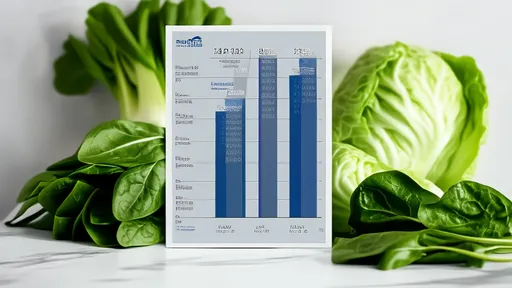
Certain leafy greens demonstrate particularly high nitrate-to-nitrite conversion rates. Spinach consistently ranks high in studies measuring nitrite accumulation, followed by Chinese cabbage and lettuce. These vegetables naturally contain higher nitrate concentrations to begin with, which explains their greater potential for nitrite formation. Conversely, vegetables like kale and Swiss chard show relatively lower conversion rates, making them potentially safer choices for meal prepping and leftovers.
The health implications of consuming vegetables with elevated nitrite levels remain a complex issue. While excessive nitrites can form potentially carcinogenic nitrosamines under certain conditions, the actual risk depends on numerous factors including overall diet, gut microbiota, and the presence of other compounds that may inhibit nitrosamine formation. Vitamin C and other antioxidants present in vegetables may actually counteract some of the negative effects of nitrites, creating a nutritional balancing act that researchers are still working to fully understand.
Food safety organizations in various countries have established guidelines for handling leftover vegetables, though specific recommendations about nitrite formation remain limited. General advice includes proper refrigeration within two hours of cooking, consumption within 3-4 days, and thorough reheating to kill potential pathogens. These practices, while primarily aimed at preventing foodborne illness, also help minimize nitrite accumulation in stored vegetables.
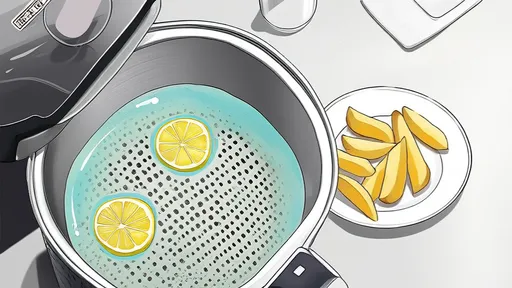
Emerging preservation techniques may offer solutions to the nitrite dilemma. Modified atmosphere packaging, vacuum sealing, and rapid cooling technologies show promise in slowing down the bacterial processes that lead to nitrite formation. Some studies suggest that adding lemon juice or vinegar to cooked vegetables before storage might inhibit bacterial growth and subsequent nitrite production, though more research is needed to confirm these findings and establish optimal concentrations.
The psychological aspect of food safety perception plays an interesting role in how consumers approach the issue of overnight vegetables. While the potential risks of nitrites exist, they must be weighed against the nutritional benefits of vegetable consumption. For many individuals, especially those who struggle to meet daily vegetable intake recommendations, the convenience of meal prepping and consuming leftovers may outweigh the relatively small potential risks associated with nitrite exposure.
Cultural dietary practices offer valuable insights into this issue. Many Asian cuisines have traditionally consumed overnight pickled or fermented vegetables without apparent health consequences, suggesting that the human body may adapt to certain levels of dietary nitrites. These traditional practices often involve methods that either reduce nitrite formation or mitigate its effects, providing potential lessons for modern food handling techniques.
Future research directions might focus on developing vegetable varieties with lower nitrate content through selective breeding or cultivation techniques. Agricultural scientists are exploring ways to reduce initial nitrate levels in leafy greens by modifying growing conditions, which would subsequently decrease the potential for nitrite formation during storage. Such innovations could provide a long-term solution to the nitrite concerns associated with leftover vegetables.
Consumer education remains paramount in addressing the overnight vegetable dilemma. Clear communication about proper storage techniques, realistic risk assessment, and balanced dietary choices can help individuals make informed decisions about their food consumption. As with many nutritional issues, moderation and variety appear to be key factors in minimizing potential risks while maximizing health benefits.
The discussion surrounding nitrite formation in stored leafy vegetables underscores the complex interplay between food science, nutrition, and practical dietary habits. While concerns about nitrites are valid, they represent just one factor in the broader context of healthy eating. By understanding the mechanisms behind nitrite formation and implementing proper food handling practices, consumers can continue to enjoy the convenience and nutritional benefits of leafy greens while minimizing potential risks.

By /Jul 31, 2025
By /Jul 31, 2025

By /Jul 31, 2025

By /Jul 31, 2025

By /Jul 31, 2025

By /Jul 31, 2025

By /Jul 31, 2025

By /Jul 31, 2025
By /Jul 31, 2025
By /Jul 31, 2025

By /Jul 31, 2025

By /Jul 31, 2025

By /Jul 31, 2025

By /Jul 31, 2025

By /Jul 31, 2025

By /Jul 31, 2025

By /Jul 31, 2025

By /Jul 31, 2025

By /Jul 31, 2025

By /Jul 31, 2025
