In the world of kitchen staples, few things are as universally present as potatoes and garlic. These humble ingredients form the backbone of countless dishes across cultures. But what happens when they start sprouting? The answer might surprise you, as these two common foods take dramatically different paths when they begin to grow new life.
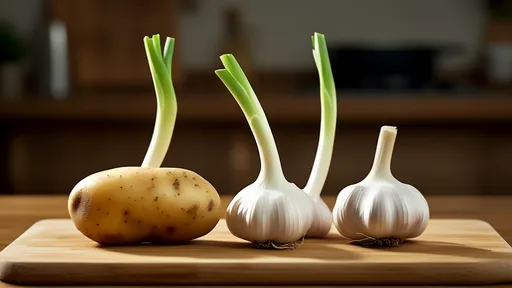
Walk into any home kitchen and you're likely to find a forgotten potato in the back of the pantry, sporting strange greenish patches and odd protrusions. Similarly, garlic cloves often send up tender green shoots when left unused for too long. While both phenomena represent the natural growth cycle of these plants, their implications for human consumption couldn't be more different.
The Dark Side of Sprouted Potatoes
When potatoes begin to sprout, they undergo chemical changes that can turn them from kitchen staple to potential health hazard. The green coloration that often accompanies sprouting is chlorophyll, which itself isn't harmful. However, its presence indicates increased production of solanine and chaconine - two glycoalkaloid compounds that serve as the plant's natural defense mechanisms.
These toxic compounds concentrate in the sprouts, eyes, and green skin of the potato. Consuming them in large quantities can lead to solanine poisoning, with symptoms ranging from nausea and diarrhea to headaches and, in extreme cases, neurological problems. While cases of severe poisoning are rare thanks to potatoes' bitter warning taste, the risk remains significant enough that food safety experts recommend caution.
The level of toxicity depends on several factors, including the extent of sprouting and greening. A slightly sprouted potato with easily removable sprouts might be safe after thorough preparation, but heavily sprouted or green potatoes should be discarded entirely. Peeling can help reduce risk, but it's not a guaranteed solution as the toxins may have spread deeper into the flesh.
Garlic Shoots: Nature's Bonus Crop
In stark contrast to their underground counterparts, sprouting garlic cloves present no such danger. Those green shoots emerging from the clove's tip are actually a culinary opportunity rather than a warning sign. Known as garlic scapes or green garlic when harvested young, these sprouts are entirely edible and prized in many cuisines for their milder garlic flavor.
The chemistry behind garlic's sprouting process differs fundamentally from potatoes'. Instead of producing toxic compounds, garlic converts some of its stored energy into new growth. The sprouting process does change the garlic's composition - the cloves may become slightly bitter as they devote resources to the new shoot, but they remain perfectly safe to eat.
In fact, many cooks intentionally grow garlic shoots for their unique flavor profile. The green shoots can be used similarly to green onions, adding a gentle garlic note to salads, stir-fries, and garnishes. The sprouted cloves themselves might be less ideal for dishes requiring subtle garlic flavor, but they work perfectly in applications where the garlic will be cooked thoroughly.
Why Such Different Responses to Sprouting?
The divergence between potatoes and garlic lies in their botanical strategies for reproduction and defense. Potatoes, being modified stems (tubers) that grow underground, developed chemical defenses to protect themselves from predators. When they begin sprouting, these defenses intensify to protect the vulnerable new growth.
Garlic, on the other hand, is a bulb - a modified leaf structure that stores energy for the plant's next growth cycle. Its primary defense mechanism is its strong flavor and sulfur compounds, which remain consistent whether sprouted or not. The sprouting process simply represents the next stage in its natural life cycle, not an increased need for chemical protection.
This fundamental difference in plant biology explains why one becomes potentially dangerous while the other remains perfectly edible. It's a fascinating example of how plants have evolved different survival strategies, with direct implications for our culinary use of them.
Historical and Cultural Perspectives
Traditional food cultures have long recognized these differences, even without modern scientific understanding. European folklore contains numerous warnings about green potatoes, while garlic sprouts have been used intentionally in Asian cuisines for centuries. This traditional knowledge often anticipated what science would later confirm about the safety of these sprouted foods.
In some cultures, potato sprouts were actually used medicinally in controlled doses, taking advantage of their toxic properties for treatments like inducing vomiting. Meanwhile, Chinese cuisine has long valued garlic sprouts as a seasonal delicacy, with entire dishes built around their unique flavor.
Modern Kitchen Practices
Understanding these differences can help home cooks make better decisions about food safety and waste reduction. With potatoes, prevention is key - storing them in cool, dark places can significantly delay sprouting. Once sprouting begins, careful evaluation is necessary, with heavily sprouted or green potatoes best discarded.
For garlic, sprouting presents an opportunity rather than a problem. The cloves remain usable (if slightly altered in flavor), and the sprouts themselves can become an ingredient. Some cooks even intentionally sprout garlic to harvest the greens, treating it as a dual-purpose ingredient.
This knowledge becomes particularly important in our modern context of increased awareness about food waste. Understanding which sprouted foods are safe allows us to make informed decisions about what to keep and what to discard, potentially reducing unnecessary kitchen waste.
The Science Behind the Sprouts
Recent research has shed more light on why these two common foods react so differently to sprouting. Studies have shown that potato glycoalkaloid concentrations can increase four to five times during sprouting, sometimes reaching levels that could cause illness in humans. The highest concentrations occur in the sprouts themselves, followed by the peel.
Garlic, meanwhile, shows no such dangerous chemical changes. Research indicates that while sprouting does alter garlic's nutritional profile - increasing certain antioxidants while decreasing others - it doesn't produce any harmful compounds. Some studies even suggest that sprouted garlic may have enhanced health benefits in certain areas.
This scientific understanding reinforces the traditional knowledge about these foods, providing a clear framework for modern food safety guidelines. It also highlights how different plant species can evolve such divergent survival strategies, even when they occupy similar roles in human cuisine.
Practical Tips for Home Cooks
For potatoes, always inspect for greening and sprouting before use. Small sprouts can be removed, but extensive sprouting means the potato should be thrown away. Never eat potatoes that taste bitter, as this indicates high glycoalkaloid content. Store potatoes properly to minimize sprouting - in a cool, dark place separate from onions (which can accelerate sprouting).
With garlic, don't fear the sprouts. The cloves remain usable, and the green shoots can be chopped and used like a milder version of green onions. If you prefer not to use sprouted garlic for fresh applications, it still works well in cooked dishes where the flavor change will be less noticeable. To slow sprouting, store garlic in a cool, dry place with good air circulation.
Understanding these differences between two of our most common kitchen ingredients can help prevent foodborne illness while also reducing unnecessary food waste. It's a perfect example of how a little botanical knowledge can go a long way in the kitchen.

By /Jul 31, 2025
By /Jul 31, 2025

By /Jul 31, 2025

By /Jul 31, 2025
By /Jul 31, 2025
By /Jul 31, 2025
By /Jul 31, 2025

By /Jul 31, 2025
By /Jul 31, 2025

By /Jul 31, 2025
By /Jul 31, 2025
By /Jul 31, 2025

By /Jul 31, 2025
By /Jul 31, 2025

By /Jul 31, 2025
By /Jul 31, 2025
By /Jul 31, 2025
By /Jul 31, 2025
By /Jul 31, 2025
By /Jul 31, 2025
