Water-saving Vegetable Washing Technique: Wipe with Wet Wipes + Rinse with Spray Bottle

Jul 31, 2025 By

The concept of water conservation has taken center stage in modern households, particularly in areas frequently affected by droughts or water shortages. Among the innovative approaches emerging from this necessity is the "No-Water Vegetable Cleaning Method," a technique combining wet wipes and spray bottle rinsing that's gaining traction among environmentally conscious consumers and those looking to reduce their utility bills.

At its core, this method challenges the traditional approach of running vegetables under continuous streams of tap water. Food safety experts have long recommended thorough washing to remove pesticides, dirt, and potential pathogens, but the water waste involved has become increasingly difficult to justify. The wet-wipe-and-spray alternative offers a middle ground that maintains cleanliness standards while dramatically cutting water usage.

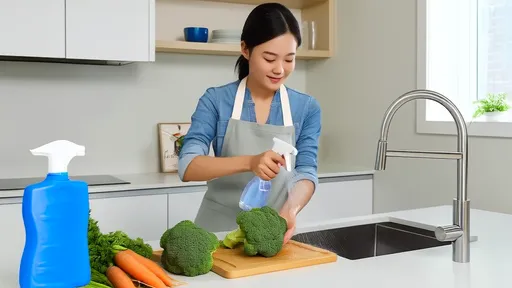
The process begins with a simple yet effective first step: gently wiping each piece of produce with a clean, food-safe wet wipe. Specialized vegetable cleaning wipes have entered the market, though many households successfully use homemade versions soaked in vinegar solutions or diluted food-grade hydrogen peroxide. The mechanical action of wiping removes surface contaminants much like hand-washing eliminates germs from skin - through friction rather than dilution.

Following the wipe-down, a fine mist from a spray bottle delivers the rinsing phase. This isn't the deluge-style rinse most home cooks are accustomed to, but rather a targeted application of water exactly where needed. The spray accomplishes two purposes: it removes any residue from the wiping process, and provides the psychological reassurance of seeing produce get "washed." Surprisingly, tests show this method often uses less than a cup of water for an entire meal's worth of vegetables, compared to the gallons that might run down the drain during conventional washing.

Adoption of this technique has revealed unexpected benefits beyond water conservation. Many users report that their vegetables actually stay fresh longer after this cleaning method. The theory suggests that reduced water exposure means less moisture for mold and bacteria to thrive on in storage. Leafy greens in particular seem to benefit, with salad greens maintaining crispness for additional days in the refrigerator when compared to their traditionally washed counterparts.

Critics initially raised concerns about the effectiveness of this method against pesticide residues. However, recent studies have shown that the combination of friction from wiping followed by targeted rinsing removes comparable amounts of pesticide residues as conventional washing. For wax-coated produce, the wiping action actually proves superior at breaking down the water-resistant coatings that can trap contaminants.

The environmental impact calculations make a compelling case for widespread adoption. If every household in a medium-sized city implemented this technique just for their vegetable cleaning, the annual water savings could fill dozens of Olympic-sized swimming pools. When scaled to national levels, the conservation figures become staggering - all from this simple adjustment to a daily routine.

Practical implementation does require some adjustments. The wiping phase adds a few minutes to meal preparation, though many users find this becomes meditative rather than burdensome. Choosing the right spray bottle matters too - models that produce a fine, adjustable mist work best. Some innovative cooks have taken to adding a drop of lemon essential oil or vinegar to their spray bottles for additional cleaning power and freshness.

Restaurants and commercial kitchens have begun experimenting with scaled-up versions of this method. One farm-to-table establishment in California reported reducing their water usage by 30% after training staff in systematic produce wiping techniques. They use large, clean cloths dampened with sanitizing solution followed by brief misting from commercial sprayers. The chef notes an unexpected benefit: kitchen staff have become more attentive to the quality and condition of each vegetable during the hands-on cleaning process.

The psychological barrier remains the biggest challenge to broader adoption. Centuries of culinary tradition equate thorough washing with abundant running water. Overcoming this deep-seated association requires both education about the method's effectiveness and visible demonstrations of its results. Cooking instructors have begun incorporating no-water cleaning segments into their classes, often to the initial skepticism and subsequent surprise of students.

As climate patterns continue to change and water becomes an increasingly precious resource worldwide, techniques like wet-wipe-and-spray vegetable cleaning will likely transition from niche practice to mainstream necessity. The method represents more than just a household hack - it's a paradigm shift in how we think about cleanliness and resource usage in daily life. Future innovations may bring even more efficient variations, but the core principle of substituting friction and precision for volume and waste seems destined to shape kitchen practices for generations to come.

Beyond the practical applications, this approach fosters a more mindful relationship with our food. The act of handling each vegetable individually creates awareness and appreciation often lost when produce disappears under a torrent of tap water. Many practitioners report feeling more connected to their ingredients and more attentive to quality when using this hands-on cleaning method. In an unexpected way, water conservation leads to culinary consciousness.

The financial implications shouldn't be overlooked either. While the savings per washing session seem minimal, compounded over months and years, the reduction in water bills becomes significant. For families on tight budgets or restaurants operating on thin margins, these savings can make a real difference. The initial investment in quality wipes or spray bottles pays for itself many times over in water bill reductions.

Health professionals have noted another advantage: this method may actually reduce cross-contamination risks in home kitchens. Traditional vegetable washing often leads to splashing that can spread bacteria to countertops, utensils, or other foods. The controlled application of water in the spray-and-wipe method contains potential contaminants more effectively. Some food safety courses have begun including this technique in their curriculum for high-risk populations.

As with any innovation, the no-water vegetable cleaning method continues to evolve. Recent variations include pre-moistened cloths infused with natural antimicrobial agents like thyme oil or citrus extracts. Some home gardeners report using this method immediately after harvesting, claiming it helps preserve the just-picked quality of their produce. Urban farmers with limited water access have become particularly enthusiastic adopters, sharing tips and refinements through online sustainability communities.

The broader implications for water policy are worth considering. If such a simple technique can save millions of gallons annually, imagine the impact if similar rethinking were applied to other household water uses. This method serves as proof that substantial conservation doesn't necessarily require expensive technology or drastic lifestyle changes - sometimes it's just about working smarter with what we have.

Looking ahead, we can expect to see this approach reflected in kitchen designs of the future. Some forward-thinking appliance manufacturers are already developing countertop systems that integrate wiping surfaces with precision rinsing mechanisms. These may one day become as standard as dishwashers in eco-conscious homes. The humble spray bottle and package of wipes might represent the first step toward a fundamental reimagining of kitchen workflows.

For now, the method remains accessible to anyone willing to break with convention. As more people discover its effectiveness and experience the satisfaction of dramatic water reduction, the no-water vegetable cleaning technique seems poised to move from clever hack to common practice. In a world where every drop counts, such small innovations collectively make waves.
Recommend Posts
Food

Noise Reduction for Blender: Moist Towel Padding for Vibration Damping Test

By /Jul 31, 2025

In the bustling world of modern kitchens, where convenience meets innovation, the humble blender has evolved into a high-powered wall-breaking machine. These devices, designed to pulverize ingredients to their molecular level, come with an unavoidable side effect: noise. For urban dwellers and home chefs alike, the deafening roar of a wall-breaking blender can be a daily nuisance. But what if there was a simple, low-cost solution to dampen the cacophony? Enter the wet towel hack—a method gaining traction among noise-conscious users.
Food

Air Fryer Cleaning: Boil with Lemon Water for 5 Minutes to Remove Grease

By /Jul 31, 2025

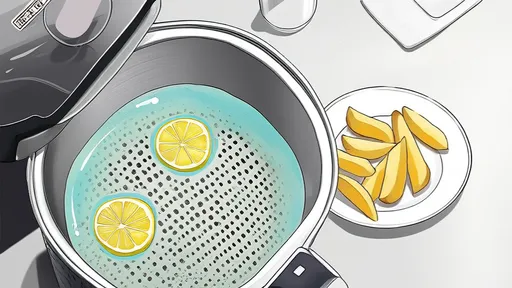
Keeping your air fryer clean is essential for maintaining its performance and ensuring the food you cook tastes fresh every time. Over time, grease and food particles can build up, leading to unpleasant odors and even smoke during cooking. While there are many commercial cleaners available, a simple and natural solution using lemon water can work wonders. Boiling lemon water in your air fryer for just five minutes can help break down stubborn grease and leave your appliance smelling fresh.
Food

Efficient Power-saving Method for Baking Sweet Potatoes with Oven Residual Heat After Shutdown"

By /Jul 31, 2025

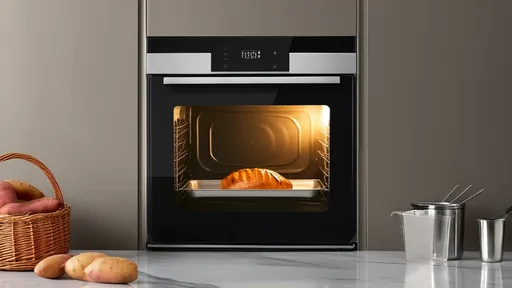
The concept of utilizing residual oven heat to cook food after turning off the appliance isn’t new, but it’s often overlooked in modern kitchens. One of the most satisfying applications of this technique is baking sweet potatoes. Not only does it save energy, but it also yields perfectly tender, caramelized results with minimal effort. This method taps into the latent heat trapped within the oven’s insulation, transforming what would otherwise be wasted energy into a delicious, eco-friendly meal.
Food

Steaming Fish in Microwave: Cover with Damp Paper Towel to Keep Tenderness

By /Jul 31, 2025

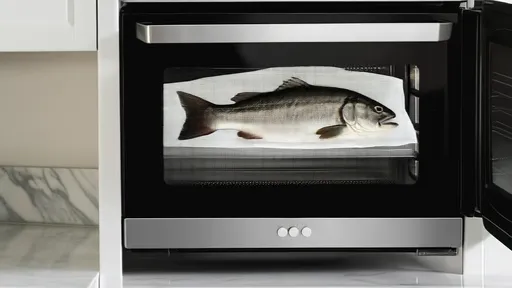
In the bustling rhythm of modern kitchens, the microwave has emerged as an unsung hero for quick yet nutritious meals. Among its many capabilities, steaming fish might seem unconventional—yet with a simple trick involving damp paper towels, this method delivers restaurant-quality tenderness in minutes. This technique not only preserves moisture but also redefines convenience for seafood lovers.
Food

Rice Cooker Cake: Keep Warm for 20 Minutes After the Button Pops Up

By /Jul 31, 2025

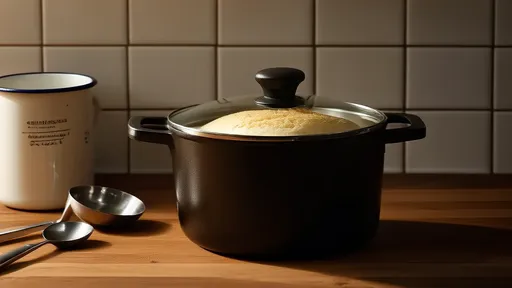
The art of baking a cake in a rice cooker has gained popularity in recent years, especially among those who don’t have access to a traditional oven. One of the most debated techniques in this method is the timing—specifically, the moment the rice cooker’s button pops up and whether to let the cake sit for an additional 20 minutes. This seemingly simple step can make or break the texture and consistency of the final product.
Food

Soy Milk Pseudo-Boiling: Cook for 8 More Minutes After Bubbles Appear

By /Jul 31, 2025

In kitchens across Asia, a peculiar phenomenon occurs daily when preparing fresh soy milk—the liquid appears to boil long before it reaches true cooking temperature. This deceptive bubbling, known as "false boil" or "假沸" in Chinese, has fooled countless home cooks into turning off the heat prematurely. What appears to be a vigorously boiling pot may only hover around 70°C (158°F), creating potential health risks if consumed untreated.
Food

Sprouting Foods: Toxic Potatoes vs. Edible Garlic Sprouts

By /Jul 31, 2025

In the world of kitchen staples, few things are as universally present as potatoes and garlic. These humble ingredients form the backbone of countless dishes across cultures. But what happens when they start sprouting? The answer might surprise you, as these two common foods take dramatically different paths when they begin to grow new life.
Food

Plastic Box Label: Only Number 5 PP is Suitable for Microwave

By /Jul 31, 2025

In the bustling rhythm of modern kitchens, the microwave has become an indispensable ally. Its convenience is unmatched—quickly reheating leftovers, defrosting frozen goods, or even cooking full meals in minutes. Yet, as we reach for that trusty plastic container to nuke last night’s dinner, few pause to consider whether the material is truly microwave-safe. The truth is, not all plastics are created equal, and missteps here can have consequences ranging from melted containers to potential health risks.
Food

Risk of Overnight Vegetables: Nitrite Formation Table for Leafy Greens

By /Jul 31, 2025

The topic of overnight vegetables and their potential health risks has been a subject of ongoing debate among nutritionists and food safety experts. One particular concern revolves around the formation of nitrites in leafy greens when stored for extended periods after cooking. As consumers become increasingly health-conscious, understanding the science behind nitrite accumulation in reheated vegetables is crucial for making informed dietary choices.
Food

Reasons Why Eggs Should Not Be Stored on the Door Side of the Fridge

By /Jul 31, 2025

Most people don’t think twice about where they store their eggs in the refrigerator. The door shelves seem convenient—easy to access, often designed with built-in holders, and seemingly the perfect spot for frequently used items. However, if you’ve been placing your eggs in the refrigerator door, you might want to reconsider. The science behind refrigerator temperature zones reveals that this common practice could be compromising both the safety and freshness of your eggs.
Food

Charred Rescue: Testing Onions for Absorbing Odors

By /Jul 31, 2025

When disaster strikes in the kitchen and you're left with the lingering aftermath of burnt food, the internet offers countless folk remedies to eliminate stubborn smoke odors. Among the most persistent claims is that placing raw onions throughout your home can absorb unpleasant smells. But does this kitchen staple truly possess odor-neutralizing superpowers? We put this theory to the test under controlled conditions to separate fact from old wives' tale.
Food

Seasoning Remedy: Add Sugar for Too Salty, Add Milk for Too Spicy

By /Jul 31, 2025

In the world of cooking, mistakes happen even to the most seasoned chefs. A dash too much salt or an overly generous sprinkle of chili can turn a carefully crafted dish into a culinary misadventure. But fear not—culinary disasters are often salvageable with a few clever tricks. One of the oldest and most reliable techniques is the art of flavor balancing, where contrasting tastes are used to counteract overpowering flavors. Too salty? Add sweetness. Too spicy? Introduce dairy. These simple fixes have saved countless meals, and understanding the science behind them can elevate your cooking from good to great.
Food

Water-saving Vegetable Washing Technique: Wipe with Wet Wipes + Rinse with Spray Bottle

By /Jul 31, 2025

The concept of water conservation has taken center stage in modern households, particularly in areas frequently affected by droughts or water shortages. Among the innovative approaches emerging from this necessity is the "No-Water Vegetable Cleaning Method," a technique combining wet wipes and spray bottle rinsing that's gaining traction among environmentally conscious consumers and those looking to reduce their utility bills.
Food

Top 10 Ways to Cook Eggs When You Have Nothing Else

By /Jul 31, 2025

When the fridge is nearly empty and all you have left are a few eggs, it’s easy to feel like your culinary options are limited. But eggs, in their humble simplicity, are one of the most versatile ingredients in any kitchen. Whether you choose to steam, fry, or boil them, there are countless ways to transform these protein-packed gems into satisfying meals. The key lies in creativity and a willingness to experiment with flavors and techniques.
Food

Rice Cooking Experiment with a Thermos Bottle: Ceasefire Porridge Method

By /Jul 31, 2025

In the realm of unconventional cooking techniques, the "Thermos Method" has recently gained traction among food enthusiasts and survivalists alike. This approach, which involves using a standard vacuum flask to cook rice with nothing but boiling water and time, challenges traditional stovetop methods. The concept is simple: leverage the insulating properties of a thermos to retain enough heat to slowly cook grains overnight or over several hours. But does it actually work? We put it to the test.
Food

Cooling Principle of Garlic and Sesame Oil Sauce in Hot Pot Restaurants"

By /Jul 31, 2025

The sizzling allure of hot pot lies not just in its bubbling broth or thinly sliced meats, but in the often-overlooked companion that elevates every bite: the dipping sauce. Among the myriad of condiments, the garlic-infused sesame oil dip, known as "you die" in Mandarin, stands out as a cultural and culinary staple. But beyond its rich flavor, this unassuming sauce serves a scientific purpose—cooling scorching hot ingredients before they reach the diner’s mouth. The interplay between fiery broth and cool oil is a dance of physics and gastronomy, one that has been perfected over centuries yet remains underappreciated in Western culinary discourse.
Food

Grilled Restaurant Garlic Sauce: Mixed Golden and Silver Garlic Fried

By /Jul 31, 2025

The art of crafting the perfect garlic sauce for barbecue restaurants has long been a closely guarded secret among chefs. Among the many variations, one method stands out for its depth of flavor and aromatic complexity: the golden and white garlic blend, fried to perfection. This technique, which combines both raw and fried garlic, creates a sauce that is at once pungent, sweet, and richly savory, elevating everything from grilled meats to seafood and vegetables.
Food

Boba in Milk Tea: Red Sugar Water Stew for Brighter Pearls

By /Jul 31, 2025

The world of bubble tea is constantly evolving, with new techniques and ingredients emerging to elevate the humble tapioca pearl to new heights. Among the latest discoveries captivating tea enthusiasts and shop owners alike is the transformative effect of brown sugar syrup in the cooking process. This unassuming ingredient has proven to be the secret behind achieving that coveted glossy, translucent appearance in boba pearls that customers find irresistible.
Food

Making Crispy Pancake Fritters: A Substitute for Wonton Skins in Deep Frying"

By /Jul 31, 2025

The humble jianbing guozi, a beloved Chinese street food, has long relied on its signature crispiness to win over breakfast crowds. At the heart of this savory crepe's texture lies the baocui - that impossibly thin, deep-fried cracker providing the satisfying crunch. But as home cooks seek to recreate this iconic snack, many are discovering an ingenious shortcut: using fried wonton wrappers as a substitute for traditional baocui.
Food

Night Market Grilled Tofu: Home Pan-Fried Crispy Skin Techniques"

By /Jul 31, 2025

The sizzle of street food stalls is unmistakable—nowhere more so than with the iconic sizzling iron plate tofu, a beloved late-night snack across many Asian night markets. The crispy golden crust giving way to tender, piping-hot tofu is a textural marvel that home cooks often struggle to replicate. While professional chefs wield heavy iron plates over roaring flames, achieving that perfect crisp in a home kitchen requires understanding the science of heat, moisture, and patience.