In the realm of unconventional cooking techniques, the "Thermos Method" has recently gained traction among food enthusiasts and survivalists alike. This approach, which involves using a standard vacuum flask to cook rice with nothing but boiling water and time, challenges traditional stovetop methods. The concept is simple: leverage the insulating properties of a thermos to retain enough heat to slowly cook grains overnight or over several hours. But does it actually work? We put it to the test.
The idea originated from a combination of backpacking hacks and energy-efficient cooking. Unlike slow cookers or rice cookers, which require continuous electricity, the thermos relies solely on preheated water and an airtight seal. Proponents claim it can produce perfectly cooked rice with minimal effort—no stirring, no burning, and no power needed after the initial boil. Skeptics, however, question whether the temperature remains high enough for long enough to properly gelatinize the starches in the rice.
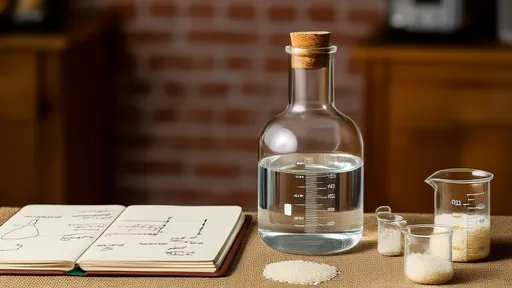
The Experiment: We selected a high-quality stainless steel thermos with a claimed 24-hour heat retention capability. After preheating the flask with boiling water for 10 minutes, we added one part rinsed jasmine rice and two parts freshly boiled water. The thermos was sealed immediately and left undisturbed for six hours. For comparison, we also prepared batches using the same rice-to-water ratio in a rice cooker and a traditional pot.
Opening the thermos after the allotted time revealed a surprising result: the rice was fully cooked, albeit with a slightly different texture than the other methods. The grains were tender but clung together more than the fluffier stovetop version, resembling the consistency of congee or rice porridge. The aroma, however, was unmistakably that of properly cooked jasmine rice—fragrant and sweet.
Why This Works: The science behind the method lies in the thermos's ability to maintain temperatures above 140°F (60°C) for extended periods. At this range, starches gradually absorb water and swell, albeit slower than in rolling boils. While not ideal for every rice variety or preferred texture, the technique proves that sustained residual heat can achieve edible results. It’s particularly useful for scenarios where fuel or electricity is limited, such as camping trips or emergency preparedness.
Critics of the method point out that without precise temperature control, outcomes can vary widely depending on the thermos quality, ambient temperature, and rice type. Short-grain rice, for instance, may turn overly sticky, while brown rice might remain undercooked. Still, as a proof of concept, the experiment demonstrates how everyday items can be repurposed in innovative ways.
Beyond Rice: The thermos method isn’t limited to rice. Similar approaches have been used to "brew" oatmeal, steam vegetables, or even proof bread dough. The key is understanding each ingredient’s heat requirements and adjusting soaking times accordingly. For example, steel-cut oats may need up to eight hours, while couscous could be ready in under two.
As kitchens evolve to prioritize sustainability and minimalism, techniques like this highlight how rethinking basic tools can lead to unexpected efficiencies. While it may not replace conventional cooking for daily meals, the thermos method offers a fascinating alternative—one that marries simplicity with the timeless appeal of slow food.
By /Jul 31, 2025
By /Jul 31, 2025
By /Jul 31, 2025
By /Jul 31, 2025
By /Jul 31, 2025
By /Jul 31, 2025
By /Jul 31, 2025
By /Jul 31, 2025
By /Jul 31, 2025
By /Jul 31, 2025
By /Jul 31, 2025
By /Jul 31, 2025
By /Jul 31, 2025
By /Jul 31, 2025
By /Jul 31, 2025
By /Jul 31, 2025
By /Jul 31, 2025
By /Jul 31, 2025
By /Jul 31, 2025
By /Jul 31, 2025
