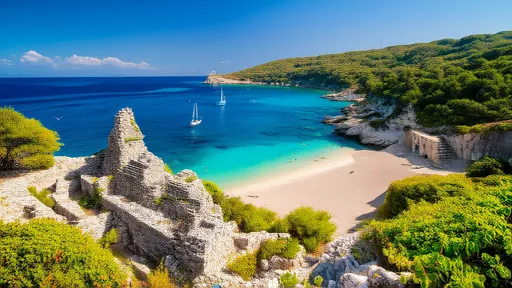
Jeju Island, with its volcanic landscapes and azure waters, has long been a magnet for tourists seeking respite from urban chaos. But in recent years, this South Korean paradise has quietly transformed into an unlikely hub for digital nomads. The emergence of co-living spaces and coworking cafes along its rugged coastline speaks to a growing global trend – the decoupling of work from traditional office environments. What began as a temporary experiment for location-independent professionals has evolved into a structured ecosystem catering to those who blend work and wanderlust.
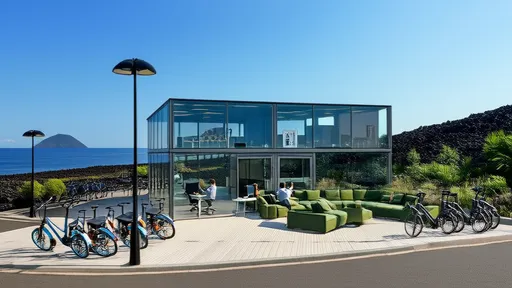
The morning ritual for many digital nomads in Jeju involves more than just brewing coffee and opening laptops. Picture this: the salty tang of sea breeze mingling with the earthy aroma of freshly ground beans, the rhythmic crash of waves providing a natural white noise that drowns out the distractions of city life. This sensory experience forms the backdrop for a typical workday at one of Jeju's coastal coworking spaces, where ergonomic chairs face floor-to-ceiling windows framing the endless Pacific horizon.
Connectivity forms the backbone of this digital nomad haven. Unlike some tropical destinations where spotty internet can frustrate remote workers, Jeju boasts fiber-optic speeds that rival Seoul's business districts. The local government's investment in digital infrastructure has paid dividends, attracting a steady stream of foreign professionals who require reliable video conferencing capabilities. During peak hours, you'll hear a polyglot symphony of keyboard clatter punctuated by business calls conducted in English, Korean, Japanese, and various European languages.
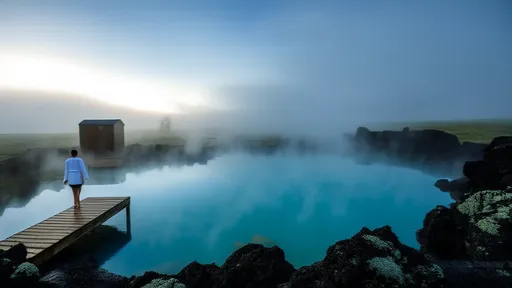
Cultural immersion takes on new dimensions in this setting. Traditional Korean "jjimjilbangs" (spa facilities) double as networking venues after work hours, where entrepreneurs from Berlin to Bangkok unwind in heated salt rooms while discussing startup ideas. Local food markets become impromptu meeting spots where nomads bond over steaming bowls of "haemul pajeon" (seafood pancake) and share tips about hidden waterfalls with strong WiFi signals. The blending of work and leisure creates organic communities that often feel more authentic than forced coworking social events.
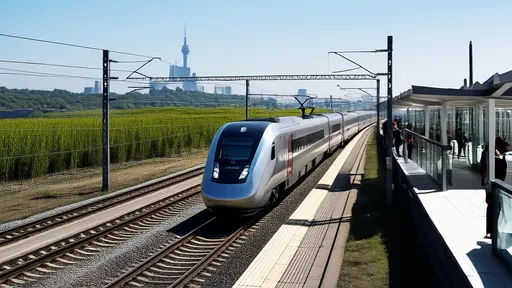
Yet this idyllic setup isn't without its challenges. Time zone differences can wreak havoc on sleep patterns when coordinating with clients or teams spread across continents. The island's limited international flight connections mean urgent business trips often require lengthy layovers in Seoul. During monsoon season, the same ocean views that inspired productivity transform into gray curtains of rain that persist for days, testing even the most disciplined remote workers' morale.
The very features that make Jeju attractive also contribute to its complexities. Strict South Korean visa regulations mean most digital nomads must leave every 90 days, disrupting established routines. Banking and administrative hurdles frustrate those attempting to stay long-term. While English is widely understood in tourist areas, navigating healthcare systems or legal matters often requires Korean language skills that few temporary residents possess.
Local residents exhibit a fascinating duality toward their new transient neighbors. Café owners appreciate the steady business during off-peak seasons but grumble about "laptop squatters" nursing single drinks for hours. Traditional guesthouses adapted to digital nomad needs by installing standing desks in hanok (traditional Korean house) rooms, creating surreal juxtapositions of ancient architecture and modern work setups. This cultural negotiation plays out daily as the island balances its identity as both a vacation destination and a serious workplace.
Productivity in paradise comes with psychological nuances many don't anticipate. The constant accessibility of leisure activities creates a peculiar form of guilt – should one be working when surfable waves beckon just minutes away? Some nomads report paradoxical decreases in efficiency despite the beautiful surroundings, falling prey to what psychologists call "destination addiction," the perpetual sense that a better work spot exists just around the next cove.
As golden hour paints the lava cliffs in amber hues, the coworking spaces undergo a metamorphosis. Monitors displaying spreadsheets and code give way to shared screens showing the day's best drone footage. Networking happens organically over locally brewed makgeolli rice wine as discussions shift from SaaS metrics to the best hiking trails for sunrise productivity sessions. In these moments, the line between workplace and community blurs in ways that corporate offices rarely achieve.
The Jeju experiment raises profound questions about the future of work. Can geographic flexibility enhance professional performance, or does it simply relocate traditional workplace stresses to prettier backdrops? As more countries develop digital nomad visas and infrastructure, South Korea's approach – welcoming but not overly accommodating – offers valuable lessons. The island's digital nomad villages function as living laboratories where 21st-century work paradigms collide with timeless human needs for connection and meaning.
What began as a trickle of adventurous remote workers has matured into a sustainable alternative work culture. The next wave may see families and older professionals joining the digital nomad ranks, requiring new support systems beyond the current youth-dominated scene. Jeju's evolving narrative suggests that the future of work might not be about where we're planted, but how we choose to bloom wherever the winds of opportunity carry us.

By /Aug 6, 2025
By /Aug 6, 2025
By /Aug 6, 2025

By /Aug 6, 2025

By /Aug 6, 2025
By /Aug 6, 2025
By /Aug 6, 2025

By /Aug 6, 2025
By /Aug 6, 2025
By /Aug 6, 2025
By /Aug 6, 2025
By /Aug 6, 2025
By /Aug 6, 2025
By /Aug 6, 2025

By /Aug 6, 2025
By /Aug 6, 2025

By /Aug 6, 2025
By /Aug 6, 2025
By /Aug 6, 2025
By /Aug 6, 2025
