The recent extension of the Hokkaido Shinkansen line has sent waves of excitement through Japan's winter sports community, particularly among international ski enthusiasts. With the bullet train now reaching deeper into Japan's northernmost island, accessing powder-filled resorts has become dramatically easier. This development marks a significant shift in how travelers can experience Hokkaido's legendary snow country.
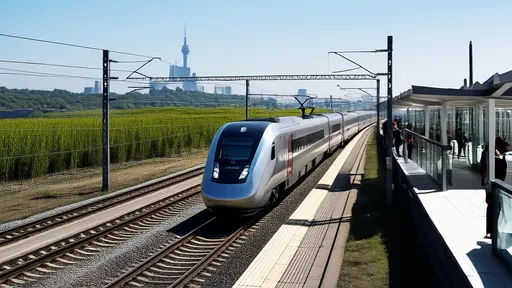
For decades, reaching Hokkaido's premier ski destinations required either connecting flights to Sapporo's New Chitose Airport or overnight train journeys from Tokyo. The new Shinkansen route changes everything, offering a seamless high-speed rail connection from Japan's capital directly to Hakodate and beyond. The reduced travel time means visitors can theoretically leave Tokyo in the morning and be carving fresh tracks by afternoon.
The most game-changing segment of this extension connects Shin-Hakodate-Hokuto Station to Sapporo, cutting through some of Hokkaido's most celebrated ski terrain. Stations like Oshamambe and Kutchan place riders within easy reach of Niseko United's four interconnected resorts, while the new Shin-Otaru Station provides access to lesser-known but equally thrilling mountains like Kiroro and Teine. The convenience factor cannot be overstated - gone are the days of coordinating airport transfers or navigating winding mountain roads after long flights.
Seasoned Japan ski veterans will immediately recognize what this means for trip planning. The traditional logistics of moving between resorts or combining multiple regions in one itinerary just became infinitely simpler. Imagine starting your day riding the famous champagne powder of Rusutsu, then catching an afternoon Shinkansen to Sapporo for a night in the vibrant Susukino district, all without the hassle of rental cars or bus schedules. This level of connectivity was unimaginable just a few seasons ago.
Equipment transport presents one of the biggest headaches for flying skiers and snowboarders, but the Shinkansen extension offers elegant solutions. Most bullet train services allow oversize luggage compartments for gear, and Japan's impeccable baggage forwarding services (takuhaibin) can ship equipment directly to mountain hotels. Many resorts near the new stations are upgrading their rental fleets with premium demos, reducing the need to travel with gear altogether for those who prefer to travel light.
The environmental implications shouldn't be overlooked either. Compared to short-haul flights between Tokyo and Sapporo, the Shinkansen offers a significantly lower carbon footprint - an important consideration for ecologically conscious travelers. The trains themselves showcase Japanese engineering at its finest, with spacious seating, power outlets at every seat, and onboard wifi allowing visitors to research conditions or book last-minute accommodations en route.
Local businesses across Hokkaido are adapting to this new reality with creative offerings. Rental shops near Shinkansen stations now provide "ski valet" services where guests can pick up pre-reserved gear just steps from the platform. Restaurants in formerly sleepy station towns are expanding hours to accommodate the influx of hungry riders. Even traditional ryokan and onsen establishments near the new stops are adding Western-style amenities to appeal to international visitors.
For those looking beyond Niseko's well-trodden slopes, the Shinkansen opens up fascinating possibilities. The port city of Hakodate now serves as a perfect basecamp for exploring the volcanic terrain of Hokkaido's southern peninsula. Meanwhile, the agricultural heartland around Shin-Yubari Station provides access to hidden gem resorts like Kamui Ski Links, where untouched powder often lasts days after storms. The ability to mix urban and mountain experiences within a single trip represents a paradigm shift for Hokkaido tourism.
Timing your visit requires some strategic thinking. While the Shinkansen operates year-round, peak winter months see increased demand, especially around Japanese holidays. Savvy travelers are discovering that late January through February offers the ideal balance of reliable snowfall and manageable crowds. Early morning and late evening trains tend to be less crowded with day-trippers, making them preferable for those traveling with equipment.
The financial equation has changed as well. While Shinkansen tickets aren't cheap, when factoring in the eliminated costs of domestic flights, airport transfers, and potential extra accommodation nights, the math often works in favor of rail travel. Japan Rail Pass holders will find particular value, as the pass covers the entire Hokkaido Shinkansen route. Many resorts now package lift tickets with Shinkansen discounts, creating additional savings.
Cultural considerations remain important despite the increased accessibility. While major resorts employ English-speaking staff, venturing off the beaten path still requires some Japanese phrases or translation apps. The famous Japanese rail punctuality means you'll want to arrive at stations with ample time, especially when traveling with gear. And while convenience stores at stations offer quick meals, part of the joy lies in discovering local specialties like Hakodate's seafood or Yubari's melons during your journey.
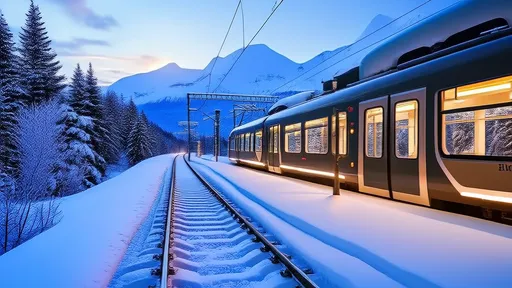
Looking ahead, this transportation revolution promises to reshape Hokkaido's winter tourism landscape. Planned future extensions will eventually connect to Asahikawa and Wakkanai, putting even more legendary ski areas within easy reach. For now, the current expansion already delivers on the dream of efficient, comfortable access to some of the world's best snow. As word spreads, we're likely to see these trains become rolling international communities of powder seekers, sharing tips and stories as the breathtaking Hokkaido scenery flashes by outside their windows.
The true beauty of this development lies in how it balances progress with preservation. While making Hokkaido's wilderness more accessible, the Shinkansen somehow makes the island feel no less adventurous. The mountains remain as majestic, the snow as deep, and the cultural experiences as rich - only now, more visitors can include these wonders in their Japan itineraries without the logistical headaches of the past. For ski and snowboard enthusiasts worldwide, that's news worth celebrating.

By /Aug 6, 2025

By /Aug 6, 2025

By /Aug 6, 2025

By /Aug 6, 2025
By /Aug 6, 2025
By /Aug 6, 2025

By /Aug 6, 2025
By /Aug 6, 2025
By /Aug 6, 2025
By /Aug 6, 2025

By /Aug 6, 2025

By /Aug 6, 2025
By /Aug 6, 2025

By /Aug 6, 2025

By /Aug 6, 2025

By /Aug 6, 2025

By /Aug 6, 2025

By /Aug 6, 2025

By /Aug 6, 2025
By /Aug 6, 2025
